AI Model Wars 2026: How Autonomous Agents Are Rewriting the Rules of Tech
- Apr 30
- 3 min read
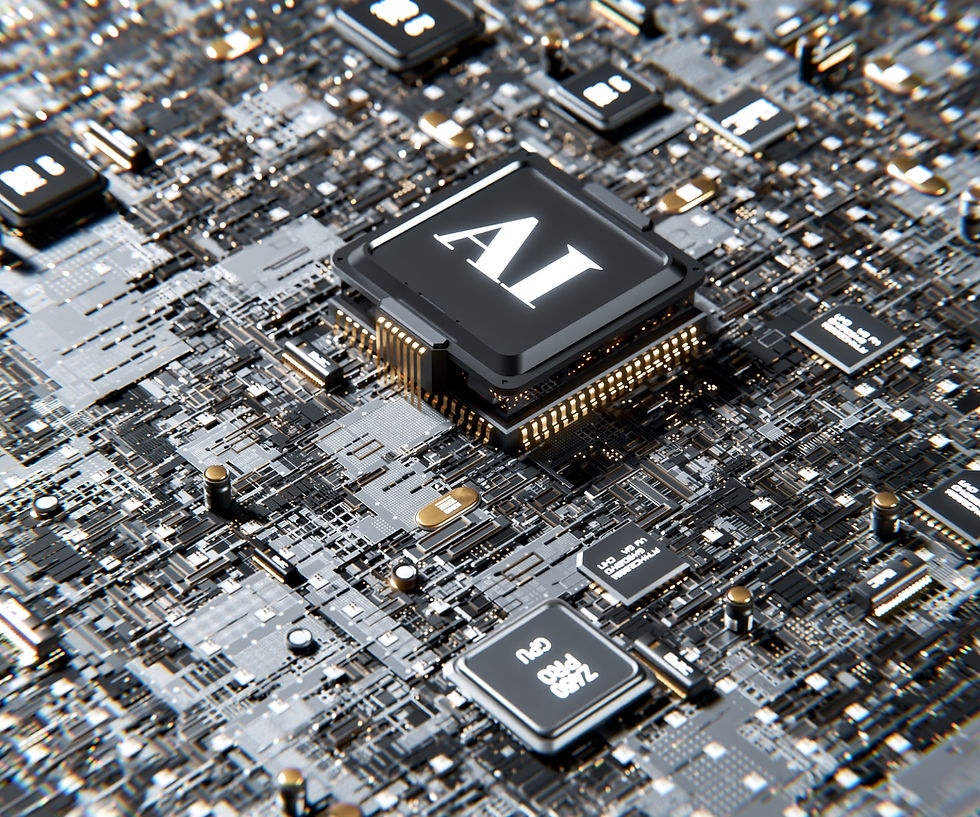
The artificial intelligence landscape has never moved faster. As of April 30, 2026, the race between AI models, autonomous agents, and the infrastructure powering them has reached a fever pitch. From courtroom battles to coding breakthroughs, here is everything business leaders and tech enthusiasts need to know about the AI model wars reshaping our world right now.
The Musk vs. OpenAI Courtroom Showdown
One of the most watched legal battles in Silicon Valley history continues to unfold. Elon Musk's lawsuit against OpenAI has escalated into a full-blown trial that is capturing global attention. The case raises fundamental questions about AI governance, open-source commitments, and who controls the future of artificial general intelligence. Regardless of outcome, this trial is setting legal precedents that will shape AI development for decades.
The implications extend far beyond Silicon Valley. Investors, founders, and policymakers are watching closely because the verdict could redefine how AI companies structure themselves, handle intellectual property, and balance profit motives against public benefit promises.
Coding Agents Go Fully Autonomous
Perhaps the most disruptive development of 2026 is the rise of fully autonomous coding agents. Google recently revealed that over 75 percent of its new code is now generated by AI. This is not a typo. Three out of every four lines of new code at one of the world's largest technology companies are written by machines.
Autonomous coding agents are no longer just autocomplete tools. They now design architectures, write tests, debug production issues, and deploy code with minimal human oversight. Startups are shipping products in days that would have taken months. Enterprise teams are estimating a 30 percent annual productivity lift from agentic AI workflows.
For businesses of any size, this means the barrier to building software has collapsed. The competitive advantage is no longer having engineers. It is having the best AI-augmented workflows and the strategic vision to deploy them.
The Infrastructure Arms Race: Google TPU vs. NVIDIA
Behind the model wars is an even bigger battle over hardware. Google is aggressively pushing its TPU architecture against NVIDIA's dominant GPU ecosystem. India just signed one of the largest AI infrastructure deals in history, signaling that the GPU race is now a geopolitical competition.
Total AI infrastructure spending is projected to reach 650 to 700 billion dollars in 2026 alone. Companies that control the chips, the data centers, and the cloud pipelines will control the future of AI. OpenAI has ended its Azure exclusivity, signaling a new era of multi-cloud AI deployment that will reshape enterprise procurement strategies.
New challengers like DeepSeek are also entering the ring, proving that the model landscape is far from settled. The winner of this infrastructure war will determine which country, and which companies, lead the next industrial revolution.
What This Means For Your Business
Whether you are a startup founder, an enterprise CTO, or an investor, the AI model wars of 2026 demand immediate attention. Here are three action items:
First, audit your AI stack. If your company is not leveraging autonomous agents for development, operations, or customer service, you are already falling behind. The productivity gains are too significant to ignore.
Second, watch the courtroom. The Musk vs. OpenAI trial will set precedents around IP, open-source licensing, and corporate governance that could impact your AI vendor relationships and strategic partnerships.
Third, diversify your infrastructure. With OpenAI leaving Azure exclusivity and Google pushing TPUs, locking into a single cloud provider for AI workloads is increasingly risky. Multi-cloud AI strategies are no longer optional.
The AI model wars are not just a tech story. They are the defining business story of 2026. Stay informed, stay agile, and position your organization to ride the wave rather than get swept under it.
Peter Mitchell
Chief Ops
X / LinkedIn / Ask for Signal