New York City's Digital Sanctuary City Initiative
- Nov 5, 2025
- 6 min read

Core Proposal: Mayor-elect #Zohran #Mamdani's plan aims to create a "digital sanctuary city" by banning #biometric surveillance tools, such as facial recognition, in public spaces, prohibiting city agencies from sharing data with federal entities like ICE, and auditing contractors for privacy violations, primarily to protect immigrant communities from potential federal overreach.
Context and Intent: This initiative builds on Mamdani's #democratic #socialist platform, emphasizing resistance to surveillance and data exploitation; it could serve as a model for other progressive cities but risks escalating tensions with federal policies, especially under a Trump administration focused on immigration enforcement.
Potential Benefits: Research suggests such measures may enhance community trust, reduce privacy harms, and foster economic contributions from immigrants by allowing them to engage without fear, though evidence is mixed and context-dependent.
Key Risks: Critics argue it could invite legal challenges, lead to withheld federal funding, and undermine national security efforts, potentially straining city resources and public safety if cooperation with federal agencies is limited.
Uncertainty and Controversy: While evidence leans toward sanctuary policies correlating with lower crime and stronger economies in some studies, opponents highlight instances in which they may shield criminals; the digital focus adds layers of tech-specific debates over innovation versus privacy.

Overview of the Initiative
Zohran Mamdani, elected as New York City's mayor in November 2025, has positioned the "digital sanctuary city" as a cornerstone of his tech agenda. Drawing from his background as a state assemblymember and democratic socialist, the proposal seeks to "Trump-proof" the city by insulating residents from federal surveillance and data demands. Key elements include prohibiting the use of biometric tools in housing, schools, and transit; barring data sharing with ICE; and requiring audits of city contractors to prevent privacy breaches. This extends traditional sanctuary policies into the digital realm, addressing concerns over facial recognition, gait analysis, and algorithmic exploitation. Supporters view it as a proactive defense of civil liberties, while detractors see it as defiant posturing that could invite conflict.
Strengths and Potential Positive Outcomes
The initiative aligns with broader efforts to protect vulnerable populations, particularly immigrants, amid fears of intensified federal enforcement. By limiting surveillance, it could build trust in local institutions, encouraging reporting of crimes and abuses without the risk of deportation. Studies on sanctuary jurisdictions indicate they often experience lower crime rates and economic boosts, as immigrants contribute through work, taxes, and entrepreneurship without fear. For instance, banning facial recognition could mitigate biases in AI systems that disproportionately affect minorities. If implemented effectively, this could position NYC as a leader in ethical tech use, inspiring similar policies in other blue cities and potentially saving costs by reducing reliance on flawed surveillance tech.
Challenges and Criticisms
However, the plan faces significant hurdles. Legally, it may clash with federal mandates, leading to lawsuits or funding cuts—Trump's first term saw attempts to withhold grants from sanctuary cities, though many were overturned in court. Critics, including conservative voices, argue it creates a "welcome mat" for criminal elements, potentially increasing chaos by limiting cooperation with ICE. Resource strains are another concern: audits and bans could overburden agencies, and without new legislation, executive actions might be reversible. Economically, reduced federal aid could affect NYC's budget and services. Opponents also contend that curtailing surveillance hampers public safety, especially in high-crime areas, and dismiss the initiative as performative rather than practical.

Broader Implications
Under a Trump administration emphasizing border security, this could spark high-profile battles that test states' rights versus federal authority. Success might encourage a network of resistant cities, amplifying progressive policies nationally. Yet, failure could deter similar efforts, highlighting the limits of local defiance. Overall, while the initiative addresses real privacy threats, its viability depends on navigating the law and securing public support, with mixed evidence on whether such policies truly enhance safety or prosperity.
New York City's proposed "digital sanctuary city" initiative, spearheaded by Mayor-elect Zohran Mamdani, represents a bold intersection of technology policy, immigration rights, and local governance autonomy. As a democratic socialist with roots in the New York State Assembly, Mamdani's victory in the 2025 mayoral election—defeating figures like former Governor Andrew Cuomo—marks a historic moment as the first Muslim and South Asian mayor of the city. His platform, which garnered widespread support from progressive and immigrant communities, emphasizes affordability, equity, and resistance to perceived federal overreach. The digital sanctuary concept builds on this by extending traditional sanctuary protections into the realm of data and surveillance, aiming to shield residents from what Mamdani and supporters view as exploitative federal tactics under a potential second Trump administration.
Aspect | Potential Strengths | Potential Criticisms |
Privacy Protection | Reduces biases in AI surveillance | May limit tools for public safety |
Economic Impact | Boosts immigrant contributions (~37% workforce) | Risks federal funding cuts |
Legal Viability | Builds on court precedents against defunding | Invites lawsuits from federal government |
Community Trust | Encourages crime reporting | Could shield criminals, per opponents |
Tech Innovation | Promotes ethical AI use | Stifles surveillance tech development |
At its core, the initiative seeks to create a "firewall" against federal surveillance. Key components include a ban on biometric tools such as facial recognition and gait analysis in public spaces like housing, schools, and transit systems. This would prohibit city agencies from deploying or contracting for such technologies, addressing concerns over privacy invasions and algorithmic biases that disproportionately impact communities of color and immigrants. Additionally, the plan prohibits data sharing with federal agencies like ICE, expanding on existing state laws like the Green Light Law, which already limit DMV data access. Audits of city contractors would ensure compliance and prevent indirect data leaks through private vendors. These measures are framed as essential for protecting immigrant families, who might otherwise avoid essential services out of fear of deportation.
Mamdani's agenda draws from a broader tech policy vision that resists "surveillance, extraction, and exploitation." For instance, it includes a Data Bill of Rights, stronger privacy protections modeled on federal proposals such as the Facial Recognition and Biometric Technology Moratorium Act, and limits on algorithmic surveillance in the workplace. This aligns with his campaign's focus on worker rights, including assessing the impact of AI on jobs before implementation and guaranteeing benefits for gig workers. By investing in public technology infrastructure—like city-owned broadband and free Wi-Fi—Mamdani aims to reduce reliance on private platforms that profit from data harvesting, fostering community-controlled systems instead.
The water-energy nexus, though not directly tied to this initiative, provides a helpful analogy for understanding its implications. Just as water treatment processes consume significant energy and vice versa, digital policies intersect with immigration enforcement in ways that amplify vulnerabilities. In a drought-prone world, efficient recovery technologies like pressure exchangers reduce waste; similarly, digital sanctuary measures aim to "recover" community trust by minimizing data waste and exploitation. However, critics argue this could exacerbate resource strains, much like inefficient water systems burden infrastructure.
To contextualize, sanctuary policies have a long history in the U.S., dating back to the 1980s when cities began limiting cooperation with federal immigration enforcement to protect refugees. New York City's sanctuary status, formalized in the 1980s and strengthened over time, has been credited with economic benefits: A 2017 study found that sanctuary counties had stronger economies and lower crime rates than non-sanctuary counties, with median household incomes $4,000 higher and unemployment 1.1% lower. Immigrants in these areas contribute significantly— in NYC alone, they make up 37% of the workforce and generate billions in taxes. Proponents argue that without the fear of deportation, immigrants are more likely to report crimes, cooperate with police, and engage in the economy, leading to safer communities overall.
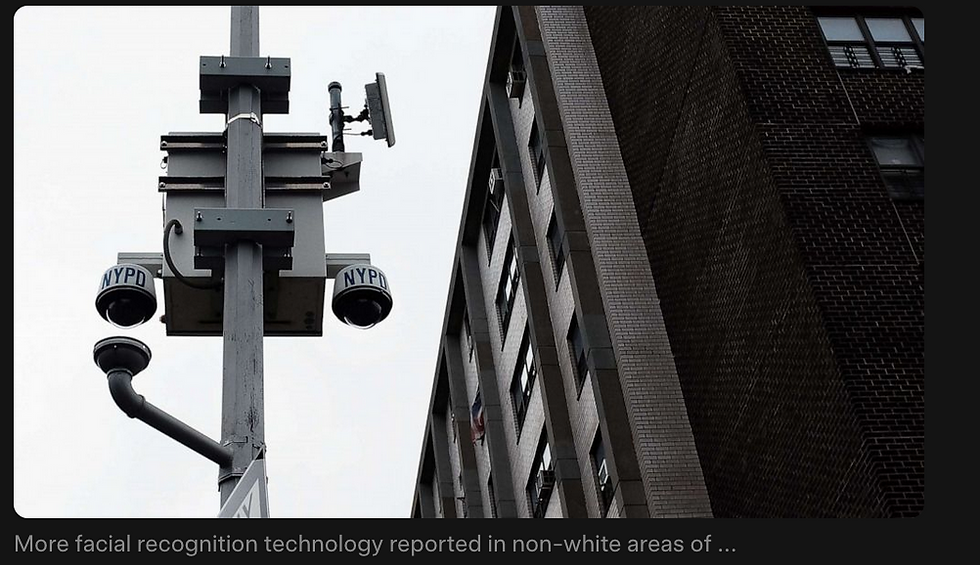
Yet, the digital twist introduces new complexities. Facial recognition, for example, has been piloted by the NYPD and MTA, but faced backlash for inaccuracies—Amnesty International noted higher deployment in high stop-and-frisk areas, reinforcing discriminatory policing. Mamdani's ban would build on existing restrictions, like the POST Act requiring NYPD oversight, but extend them citywide. This could prevent scenarios like the Madison Square Garden controversy, in which facial recognition was used to bar critics, highlighting the technology's abuses.
Critically, however, the initiative is not without flaws. Implementation relies heavily on executive actions, as new legislation would require City Council approval, potentially delaying rollout. Audits and bans might strain budgets, especially if federal funding is withheld—Trump's first term saw executive orders aimed at defunding sanctuary jurisdictions. However, courts often blocked them, ruling they violated the Tenth Amendment's anti-commandeering doctrine. In 2018, for instance, San Francisco successfully sued over grant conditions, securing funds.