New York City's Worker Protections Against AI and Automation
- Nov 6, 2025
- 4 min read

Zohran Mamdani's worker protections against AI and automation form a critical pillar of his progressive agenda, reflecting his democratic socialist roots and commitment to labor rights. Elected in November 2025, Mamdani's platform emphasizes countering tech-driven exploitation, particularly in a city where gig-economy jobs and AI integration are widespread. The proposal mandates assessments of AI's job impacts before deployment, requires transparency in algorithmic decision-making (e.g., in hiring or scheduling), provides portable benefits, such as health insurance, for gig workers, and imposes limits on invasive monitoring tools. This approach draws on legislation such as the proposed Stop Spying Bosses Act. It aligns with global efforts to regulate AI's labor impacts, positioning NYC as a model for ethical tech governance.
Core Proposal: Mayor-elect Zohran Mamdani's plan includes mandatory AI impact assessments for jobs, algorithmic transparency, portable benefits for gig workers, and limits on workplace monitoring, aiming to mitigate the downsides of automation while promoting equitable tech adoption.
Potential Benefits: Research suggests such measures could enhance worker security and reduce inequality, with evidence from similar policies showing improved labor conditions without significant economic drag, though outcomes vary by implementation.
Key Risks: Critics argue it may stifle innovation and raise business costs, potentially leading to job offshoring or legal conflicts with federal pro-business policies, especially under a deregulation-focused administration.
Broader Context: While studies indicate AI could displace up to 47% of U.S. jobs, protective regulations might foster a more sustainable workforce, but controversy exists over whether they accelerate or hinder technological progress.

Strengths and Potential Positive Outcomes
The initiative addresses real threats from AI and automation, which studies estimate could displace millions of jobs globally by 2030. By requiring impact assessments, it encourages companies to mitigate harms, potentially leading to upskilling programs or fairer transitions. Transparency in algorithms could reduce biases, as seen in cases where opaque systems have discriminated against workers. Portable benefits for gig participants—such as those in delivery or ride-sharing—would provide stability in an economy where 36% of U.S. workers engage in gig roles, fostering economic resilience. Supporters highlight how similar policies in places like California have improved worker satisfaction without crippling innovation, potentially boosting productivity through a more secure workforce.

Challenges and Criticisms
However, the plan invites scrutiny for potentially burdening businesses with red tape, echoing concerns from tech leaders like Elon Musk, who advocate for minimal regulation to spur efficiency. Mandatory assessments might delay AI adoption, increasing costs in a competitive market and prompting firms to relocate operations. Limits on monitoring could complicate safety in high-risk industries, while critics argue portable benefits resemble expanded welfare, straining city budgets amid federal pushback. Under a Trump administration's deregulation drive—via entities like the Department of Government Efficiency—federal overrides could nullify local rules, leading to legal battles or trade tensions. Evidence from automation-heavy sectors shows mixed results: while some jobs are lost, new ones often emerge, casting doubt on the necessity of such interventions.

This policy could reshape NYC's tech landscape, clashing with national pro-business trends and inspiring other cities to adopt similar safeguards. Success might amplify worker voices in AI governance, but failure risks economic fallout, such as reduced investment. Overall, while addressing valid exploitation concerns, the initiative's balance between protection and progress remains contentious, with evidence leaning toward cautious implementation to avoid unintended job losses.
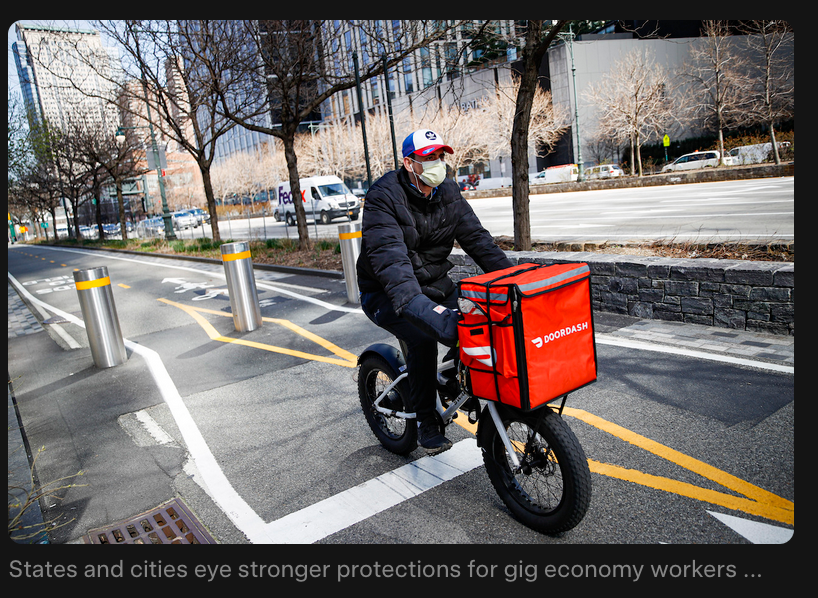
The Mayor-elect proposed new protections for New York City workers against AI and automation. #Zohran #Mamdani embodies a proactive stance on labor in the tech era. As the first Muslim and South Asian mayor, Mamdani's 2025 election victory underscores a shift toward progressive policies, drawing on his tenure in the assembly, where he championed workers' rights. This agenda counters automation's potential to exacerbate inequality by mandating AI impact assessments to evaluate job-displacement risks before rollout, demanding transparency in algorithmic systems used for hiring or performance evaluation, and establishing portable benefits for gig-economy workers—such as health coverage and paid leave that follow individuals across platforms. Limits on workplace monitoring aim to curb invasive surveillance, such as constant tracking in warehouses or on delivery apps, aligning with broader calls for ethical AI amid rising adoption.
Aspect | Potential Strengths | Potential Criticisms |
AI Impact Assessments | Promotes proactive job transition planning | Delays tech deployment, raising costs |
Algorithmic Transparency | Reduces bias and discrimination | Technically complex, may expose trade secrets |
Portable Gig Benefits | Stabilizes incomes for 36% of workforce | Increases platform fees, passed to consumers |
Monitoring Limits | Protects privacy and mental health | Hinders safety in high-risk environments |
Overall Economic Effect | Boosts equity and long-term productivity | Risks offshoring jobs, stifling innovation |
In broader terms, Mamdani's plan could disrupt national dynamics, challenging pro-business allies like Elon Musk and prompting overrides via interstate commerce clauses. Success might model a "human-centered" AI framework, influencing federal policy, but failure could exacerbate divides, placing NYC under fiscal strain. While addressing exploitation is commendable, the agenda's viability depends on collaboration with industry, lest it inadvertently accelerates the very automation it seeks to temper.